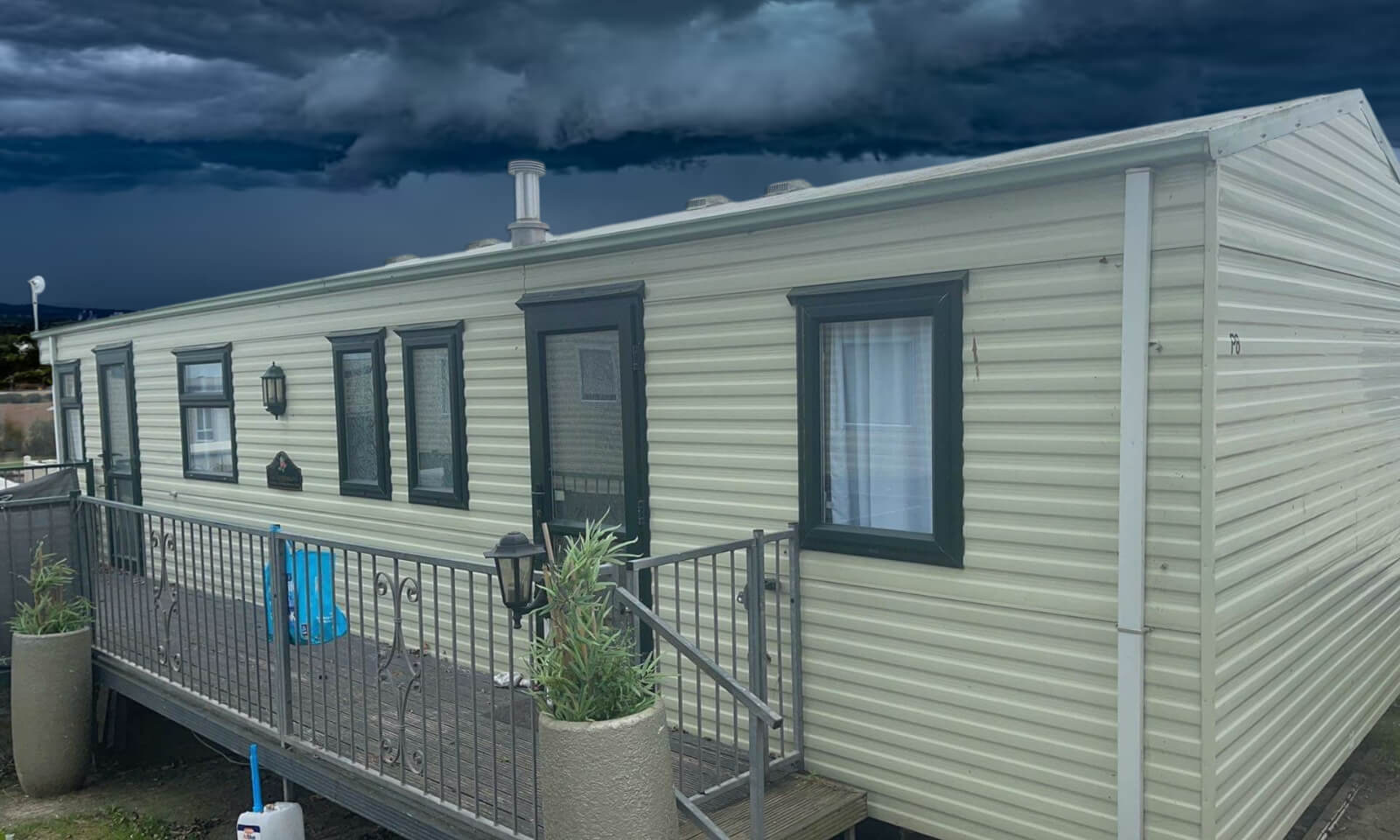
Static caravans have countless features that make them a popular choice across the world for holiday homes and long-term stays. However, the exposed positioning of caravans often raises genuine issues because of the weather of Europe or the UK. So, it is obvious to think about whether static caravans are safe during harsh weather or not?
In this detailed guide, we will explore whether static caravans are safe in extreme weather conditions and practical steps you can take to protect your caravan and loved ones. Before diving into the core topic, let’s understand how static caravans are built.
Construction of Static Caravan
Static caravans are not mobile vehicles like touring caravans. Unlike traditional brick houses, static caravans are considered semi-permanent structures, so they are built to remain in one place for a longer period. They are typically made up of materials such as aluminium, timber, uPVC, and are placed on a strong steel chassis that is anchored to the ground.
Since the 2000s, the design and construction standards of caravans have improved a lot. So, nowadays, static caravan units are manufactured to comply with British Standard BS EN 1647, which ensures they can withstand typical UK weather conditions.
Are Static Caravans Safe in High Winds, Lightning, and Storms?
Generally speaking, static caravans are safe during normal British winds, rain, and storms, as long as they’ve been properly sited, levelled, and securely anchored.
1. High Winds
In very high winds, the biggest risks are usually poor anchoring, falling trees, and loose items such as garden furniture, storage boxes, or parts of decking becoming airborne. Owners should have the caravan’s anchors, chassis, decking, and external structures checked regularly, especially on exposed or coastal sites. There is no exact scale to gauge the high wind risk level, however, below is the table that estimates and shows risk level with wind speed.
2. Thunderstorms or Lightning
During a thunderstorm, staying inside the caravan is safer than standing outside. It’s also sensible to avoid touching metal plumbing or electrical equipment and to unplug sensitive devices before the storm arrives, if it’s safe to do so.
3. Storms
During a heavy storm, the caravan’s condition, age, location, and how securely it has been anchored decide the safety. As there isn’t one accurate wind speed at which every static caravan suddenly becomes unsafe. However, if the Met Office issues a serious weather warning or the park advises people to leave, that advice should always be followed.
Moreover, flooding should also be considered, particularly on coastal, riverside, or low-lying parks. Owners should know the park’s emergency procedures and never remain in a caravan if rising water becomes a threat.
Proven Safety Tips
If the weather looks bad, the following are proven tips shared by industry professionals that must be taken into action.
- Stay updated about weather alerts, so you have enough time to prepare according to the situation.
- Check the existing anchors or additionally install storm straps, so that the caravan is firmly fixed to the ground.
- Secure all the outdoor furniture (such as chairs, tables, plant pots) and other items because any item left outside can cause damage to your caravan and neighbouring units.
- Keep the nearby trees trimmed because they can break during storms and cause serious damage to you and your caravan or park home.
- During a storm or flooding, turn off the electricity, otherwise your electrical systems will be at risk of getting damaged. Moreover, turning the electricity off can help you to protect appliances and reduce fire risk.
- If you face storms occasionally, then it’s recommended to consider using storm panels or safety film for windows in high-risk areas.
- Always consider insurance that covers damage caused by harsh weather. So, this way you will be financially protected if your caravan is damaged.
Final Thoughts
In short, a properly maintained and securely anchored static caravan should cope perfectly well with ordinary UK weather, but during extreme conditions, it shouldn’t be treated as though it’s an indestructible permanent building. So, a permanent building is still the safest place during particularly severe weather like hurricanes or severe gales.
Looking to sell your static caravan or lodge? You’re in the right place. At Static Spy, we make the process fast, simple, and stress-free. We buy all types of caravans and offer instant payment on the spot, with zero hidden fees and completely free transport.